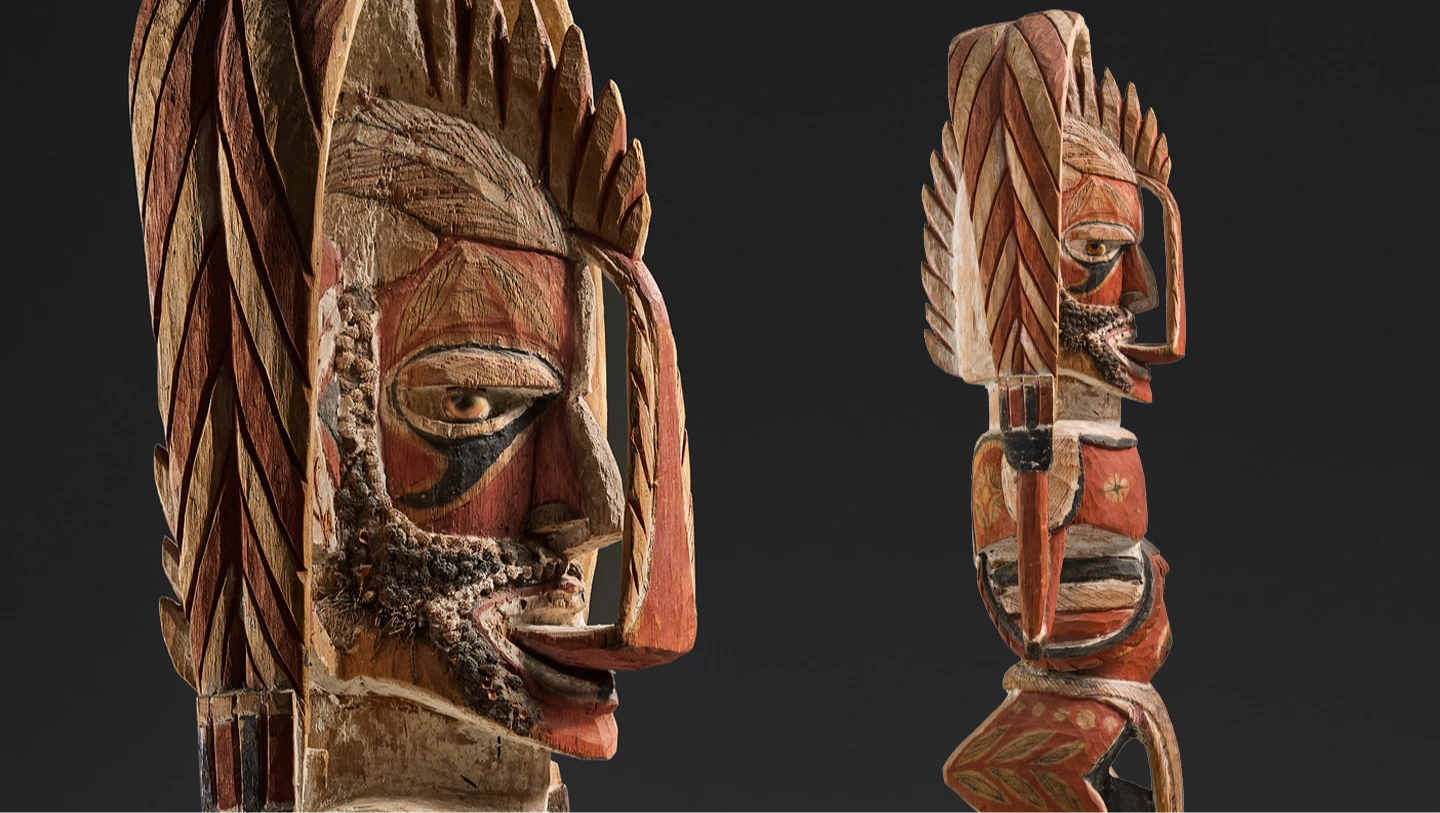
Pre-columbian art
Pre-Columbian Art – Masterpieces of the Maya, Inca, and Aztecs
These artworks — including ceramics, stone sculptures, textiles, and goldwork — reveal an extraordinary level of technical sophistication, aesthetic refinement and profound symbolic depth. They reflect cosmological worldviews, religious rituals, social hierarchies, and political power structures.
Pre-Columbian art stands not only as a testament to the cultural diversity and spiritual depth of these early civilisations, but also as a lasting source of inspiration for the development of modern art and design.
An Overview of the Major Pre-Columbian Civilizations
Mesoamerica: Cultural Diversity and Artistic Innovations
Mesoamerica is characterized by an impressive array of cultural centres whose art developed and influenced one another over centuries.
Olmecs: The Mother Culture of Mesoamerica
The Olmecs (c. 1500–400 BCE, peaking 1200–400 BCE) are considered the first advanced civilization of Mesoamerica. Their art, especially the monumental basalt heads, reflects complex social and religious structures. Small jade figures and stone carvings depict mythological symbols, including jaguars and iconic “baby"figures, which are interpreted as bearers of fertility and spiritual power.
Maya: Astronomy and Mayan Glyphs
The Mayan culture (c. 1500 BCE – 1700 CE, Classic Period 250–1000 CE) developed a sophisticated writing system and shaped the region with precise astronomy. Stelae, temple reliefs, and ceramics inscribed with Mayan hieroglyphs document historical events, portraits of rulers, and religious ceremonies. The elaborate sculptures reveal a keen power of observation and a profound symbolism that continues to fascinate art historians.
Aztecs/Mexica: Power and Ritual
The Aztecs (c. 1300–1520 CE) left behind works of art that served political and religious purposes. Temple sculptures, calendar stones, and ritual masks were expressions of power, spirituality, and social order. Gold and precious stone jewellery demonstrate the technical mastery of the craftsmen and the close connection between art and representation.
Other Mesoamerican Cultures
- Zapotec (c. 1500 BCE – 1500 CE, peak c. 300–900 CE): Funerary art from Monte Albán, clay and stone figures with glyphic symbols.
- Teotihuacan (c. 100 BCE – 750 CE, peak c. 450–650 CE): Monumental pyramids, frescoes, clay masks, and geometric decorations.
- Toltec (c. 900–1200 CE): Colossal Atlas figures, warrior motifs in sculpture and architecture.
Andean Region: Symbolism, Rituals, and Technical Mastery
Andean cultures were characterized by exceptional craftsmanship and symbolic motifs, often linked to religious rituals and cosmological concepts.
Chavín: Early Art and Cosmology
The Chavín culture (c. 900–200 BCE) produced stone reliefs and ceramics featuring animal and deity motifs. The works exhibit a high degree of abstraction and stylized symbolism, carrying both spiritual and political significance.
Moche: Realism and Depiction of Everyday Life
The Moche (c. 100–800 CE, with their golden age 400–600 CE) are renowned for their realistic ceramic portraits depicting everyday scenes, rituals, and mythological themes. Metalwork and wall friezes demonstrate their technological sophistication and the close connection between art and religious practice.
Nazca: Geoglyphs and Textiles
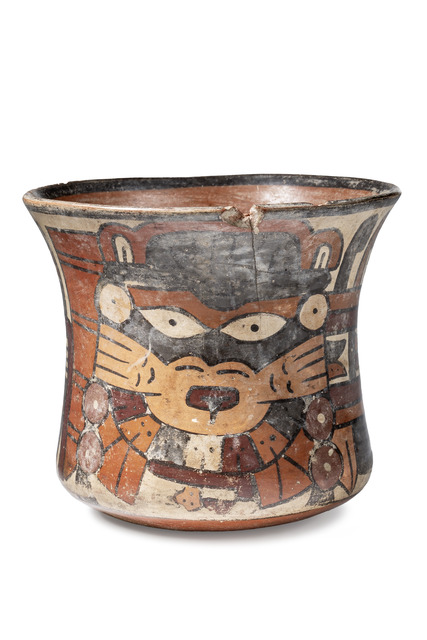
The Nazca culture (c. 100 BCE–800 CE) left behind the famous geoglyphs, but also elaborate ceramics with linear and animal motifs, as well as vibrantly colored textiles. Their works convey a pronounced aesthetic awareness and profound symbolism that points to cosmological and social functions.
Tiwanaku and Wari/Huari: Monumentality and Patterns
- Tiwanaku (1500 BCE–1200 CE, peaking 600–900 CE): Monumental stone architecture, stelae, and metalwork, often with ritual significance.
- Wari/Huari (c. 400/600–1100 CE, peaking 800–1000 CE): Ceramics with geometric patterns, murals, and textile art testify to social organization and aesthetic precision.
Inca: Architecture and Symbolism
The Inca (c. 1200–1532 CE) perfected weaving, stone carving, and metalwork. Monumental architecture like Machu Picchu, symbolic ceramics, and meticulously crafted gold and silver jewellery reflect religious beliefs and political power. Their art is an expression of a harmonious fusion of function, symbolism, and aesthetics.
The Significance of Pre-Columbian Artifacts
Understanding Pre-Columbian Art – Aesthetics, Symbolism, and Cultural Depth
Pre-Columbian art fascinates with its diversity, its craftsmanship, and its deeply rooted symbolic meaning. For collectors, art lovers, and those interested in ethnography, it offers access to worldviews that extend far beyond purely aesthetic aspects. Anyone who engages more deeply with these objects quickly realizes that each piece is not only a work of art but also a vehicle for knowledge, spirituality, and social order.
On this basis, pre-Columbian art cannot be viewed in isolation. It is always situated within the context of rituals, power structures, and cosmological concepts. This is precisely where a well-founded analysis begins—and precisely where the added value lies for collectors and connoisseurs.
The Role of Art in Pre-Columbian Societies
In pre-Columbian cultures, art was not an end in itself. It fulfilled specific functions within society and was closely linked to religious and political systems. Whether ceremonial object, grave good, or status symbol—every work had a clear meaning.
The connection between art and power is particularly striking. Rulers had themselves immortalized in stone, priests used ritual objects to communicate with the spiritual world, and elites demonstrated their status through elaborately crafted jewellery. These objects served not only for representation but also for the stabilization of social structures. At the same time, many works reflect everyday life. Ceramics depict scenes from agriculture, hunting, or crafts. Textiles document regional identities. This dual function—between ritual and everyday life—makes pre-Columbian art particularly multifaceted.
Regional Differences and Stylistic Diversity
A key aspect of pre-Columbian art is its enormous regional diversity. Different climatic, geographical, and cultural conditions led to distinct stylistic developments. These differences are not accidental but reflect the adaptation of cultures to their environment.
For collectors, this means that stylistic features are often closely linked to geographical origin. Recognizing these features allows for better classification of objects and an understanding of their cultural context.
Iconography and Symbolic Language
A key to understanding pre-Columbian art lies in its symbolism. Many motifs appear decorative at first glance, yet carry complex meanings.
Animals play a central role. Jaguars often represent power and transformation, birds symbolize the connection between heaven and earth, while snakes are associated with fertility and renewal. This symbolism is often ambiguous and context-dependent.
Geometric patterns also have meaning. They can represent cosmological concepts or encode social hierarchies. A high density of such visual codes is found particularly in textiles and ceramics.
For a sound evaluation, it is therefore crucial not only to consider the object itself but also to decipher its iconographic layer.
Materials as an Expression of Cultural Identity
The choice of materials in pre-Columbian cultures was never accidental. It had both practical and symbolic reasons.
Gold, for example, was not primarily considered a precious metal, but rather a carrier of light and divine energy. Jade was associated with life and fertility. Obsidian, a volcanic glass, held special ritual significance due to its sharpness and origin.
Organic materials such as cotton and plant fibers also played an important role. Textiles were often more valuable than metal objects and served as status symbols.
This offers collectors an important insight: the material value of an object does not always correspond to its cultural significance. A simple piece of pottery can be more ethnographically significant than an elaborately crafted metal object.
Craftsmanship Techniques and Innovations
The technical sophistication of pre-Columbian art is often underestimated. Many cultures developed highly complex processes that required no modern tools.
Ceramics were shaped and painted with astonishing precision. Metalwork demonstrates advanced casting techniques and alloys. Textiles achieve a density and fineness rarely found in modern production techniques.
These techniques were passed down through generations and were often strictly regulated. Certain artisans possessed specialized knowledge accessible only within specific groups. For today’s market, this means that the quality of workmanship is a key factor in evaluating an object. Refinement, symmetry, and attention to detail provide clues about its origin and significance.
Pre-Columbian Art in the International Auction Market
In recent decades, pre-Columbian art has gained increasing importance. International collectors and museums recognize its cultural and aesthetic value. Auction houses play a central role in this. They bring high-quality objects to market, create transparency, and foster exchange among collectors. At the same time, they contribute to scholarly research by documenting and contextualizing objects.
Authenticity and Provenance: Crucial Criteria for Collectors
In the field of pre-Columbian art, authenticity plays a central role. The market is complex, and not every object offered meets the criteria of scholarly and collector standards.
A traceable provenance is therefore essential. It documents an object’s origin and builds trust. Ideally, the journey of a work of art can be traced through several stages—from its original use to its current collection.
Stylistic analyses and material testing also contribute to authentication. Experienced experts recognize typical characteristics of specific cultures and periods.
For buyers: Expert advice is essential. It’s the only way to avoid costly mistakes and make long-term, stable investments.
Sales and consignment of pre-Columbian art at Zemanek-Münster
As a specialized auction house for non-European art, we combine scholarly expertise with many years of experience in the international art market. Under the direction of Dr. David Zemanek and our New York expert Howard Nowes, we create an environment where quality, authenticity, and expert advice are paramount.
Our carefully curated selection includes select objects from various pre-Columbian cultures. Each piece is examined and documented in detail to offer collectors maximum security. Integration into modern collections and interiors
Pre-Columbian art integrates beautifully into modern collections. Its clear formal language and strong presence create exciting contrasts with contemporary design.
Sculptures and ceramics, in particular, stand out as independent objects within a space. They don’t require elaborate staging; their impact comes from their material, form, and history.
This presents an interesting opportunity for collectors: The combination of ethnographic art with modern aesthetics opens up new perspectives and creates individual collection profiles.
Conservation and Sustainable Handling
The preservation of pre-Columbian art requires care and expertise. Different materials are sensitive to environmental conditions.
Ceramics should be protected from temperature fluctuations. Textiles require controlled humidity and protection from light. Metal objects must be protected from oxidation.
Proper storage and regular inspection are crucial. In case of damage, a specialized conservator should always be consulted to avoid irreversible changes.
Mexico, Guerrero, Mezcala Culture: Idol, ca. 300 to 100 BC
ProvenanceEdith Hafter (1911-2001), Solothurn, SwitzerlandSold EUR 7,100Peru, Nazca: Bridge vessel with double spout, Early Intermediate Period, Middle Nazca, ca. 100 to 300 AD
ProvenanceMarcel Duchamp (1887-1968), Paris, France · German Private Collection (1963) · Ketterer, Munich, 13. Nov. 1982, catalogue 63a, Lot 391 · Klaus Kalz, Berlin, GermanySold EUR 6,000Peru, Moche: Stirrup-spouted vessel with sacrificial scene
ProvenanceUlrich Hoffmann, Stuttgart, Germany · Günther & Ursula Hartmann, Berlin, GermanySold EUR 12,000
Ecuador, Manabí Cerro Jaboncillo, Manteño: Jaguar throne, ca. 500 to 1500 AD
ProvenanceMuseum of the American Indian, New York City, USA · Stendahl Galleries, Hollywood / New York City, USA (1964) · Edith Hafter (1911-2001), Solothurn, Switzerland · Art Loss Register Certificate, ref. S00242361Sold EUR 14,000Panama, Veraguas Culture: Pendant in the shape of a frog with a two-headed snake, ca. 800 to 1500 AD
ProvenanceGubelin, Lucerne, Switzerland · André Emmerich, New York, USA (Record No. CA-274) · Edith Hafter (1911-2001), Solothurn, Switzerland (1964)Sold EUR 7,500Mexico, Veracruz: Yoke "yugo" with decor in relief, Classic Period, ca. 450 to 650 AD
ProvenanceEdith Hafter (1911-2001), Solothurn, SwitzerlandSold EUR 7,500


Open sale
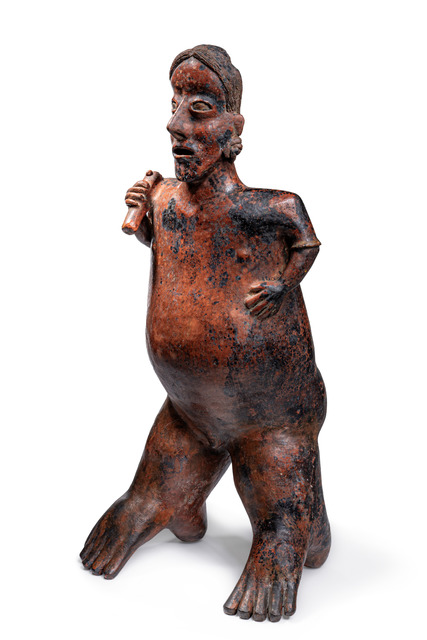
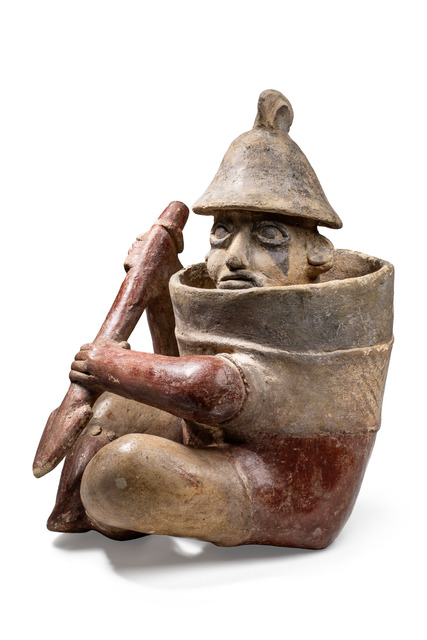
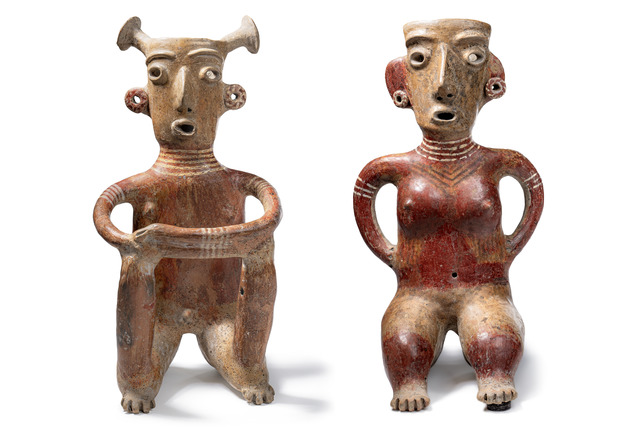
Mexico, Jalisco, Ameca: Seated warrior, Protoclassic Period, ca. 1st century BC – 3rd century AD
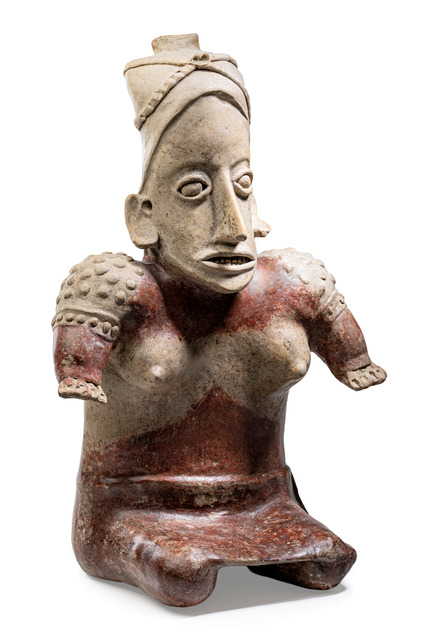
EUR 4,500Mexico, Jalisco, Ameca: Female Figure, Protoclassic Period, ca. 1st century BC – 3rd century AD
EUR 2,500
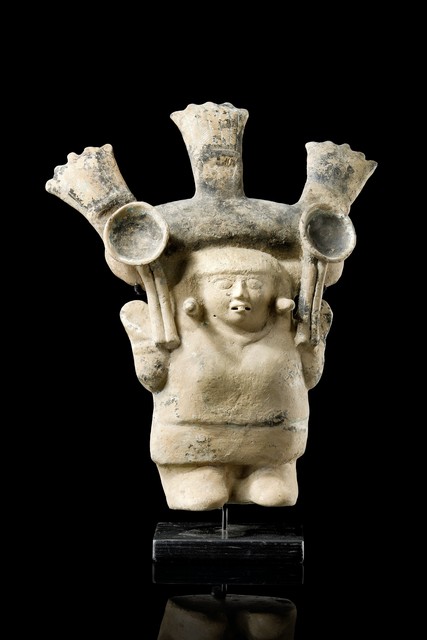
Peru, Chavin, Tembladera Style: Stirrup vessel with a jaguar in relief, Early Horizon, ca. 900 to 200 BC
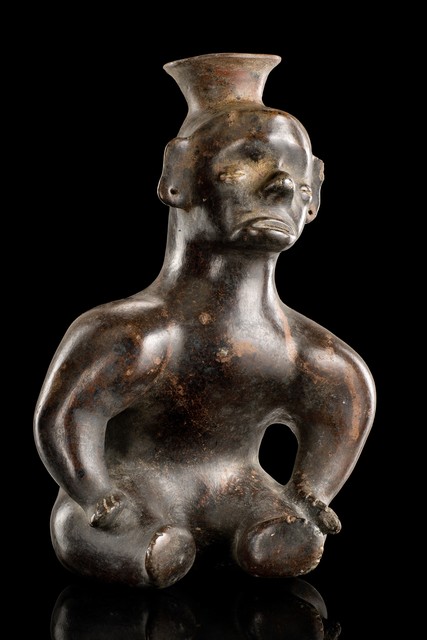
EUR 2,500Peru, Moche IV: Stirrup vessel with mythological mountain scene, Early Intermediate Period, ca. 400 to 600 AD
EUR 3,000


Related articles
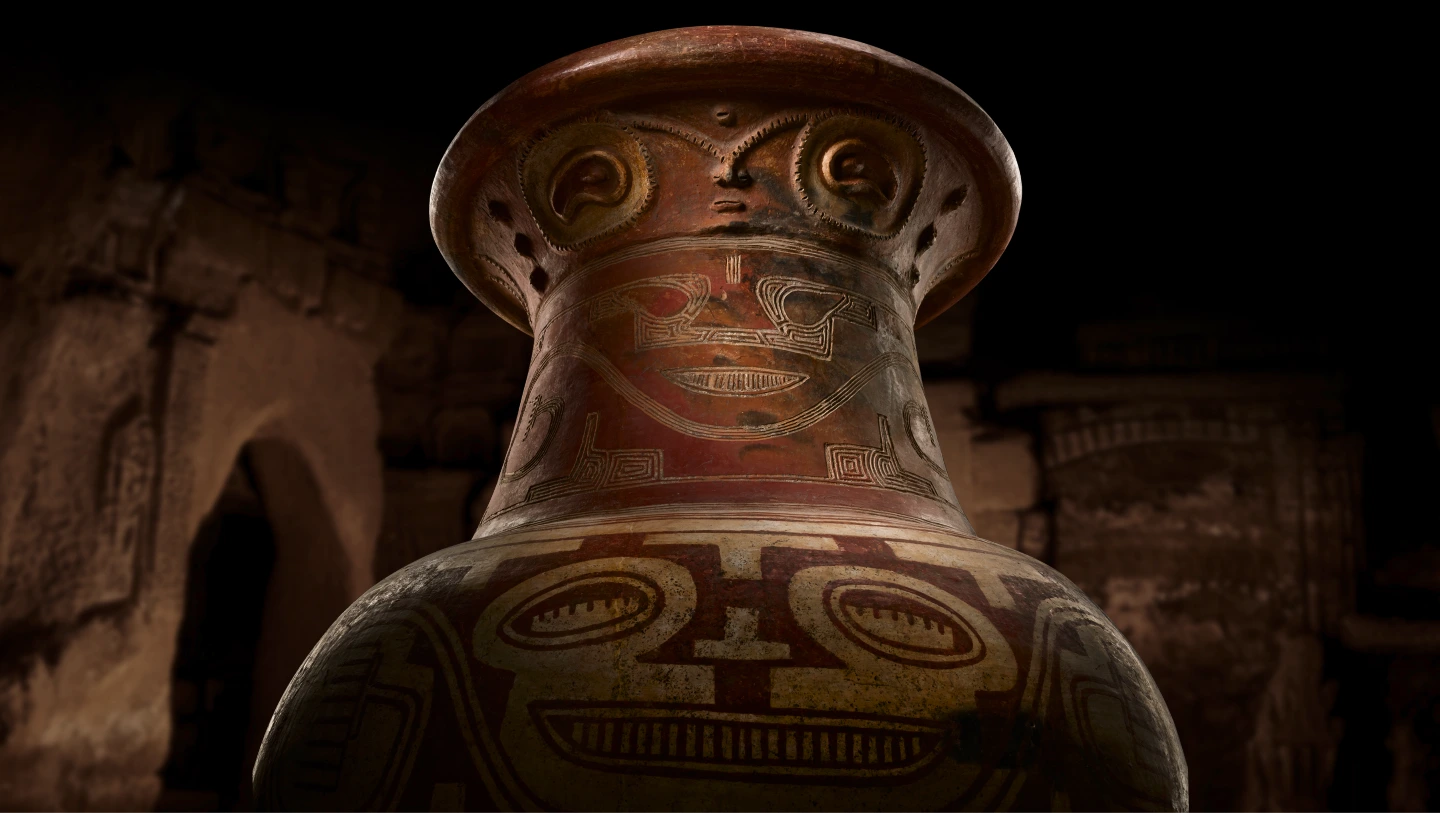
Pre-Columbian masterpieces: A world-class art collection
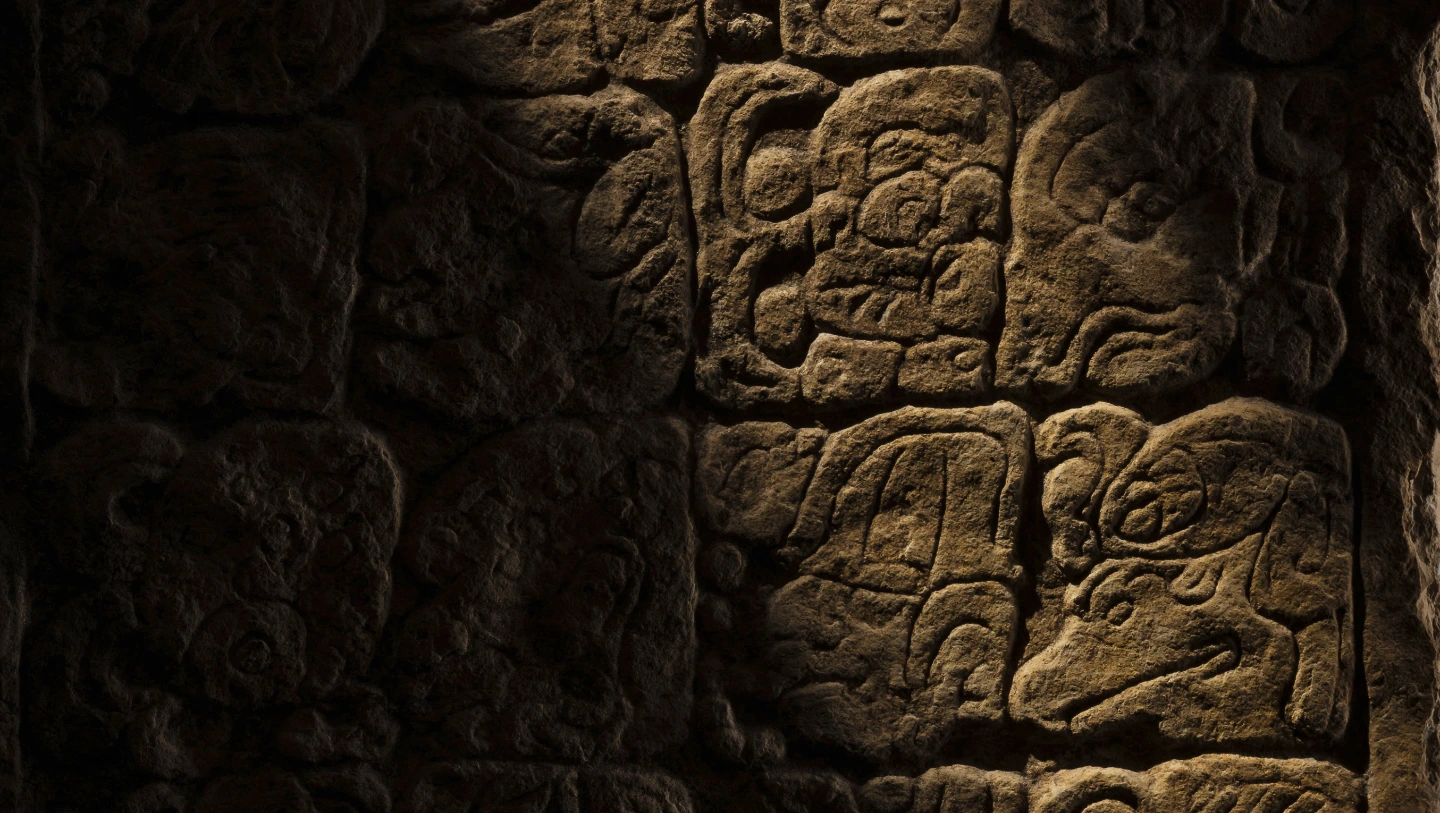
Africa, Asia, Oceania, Pre-columbia and Antiquites
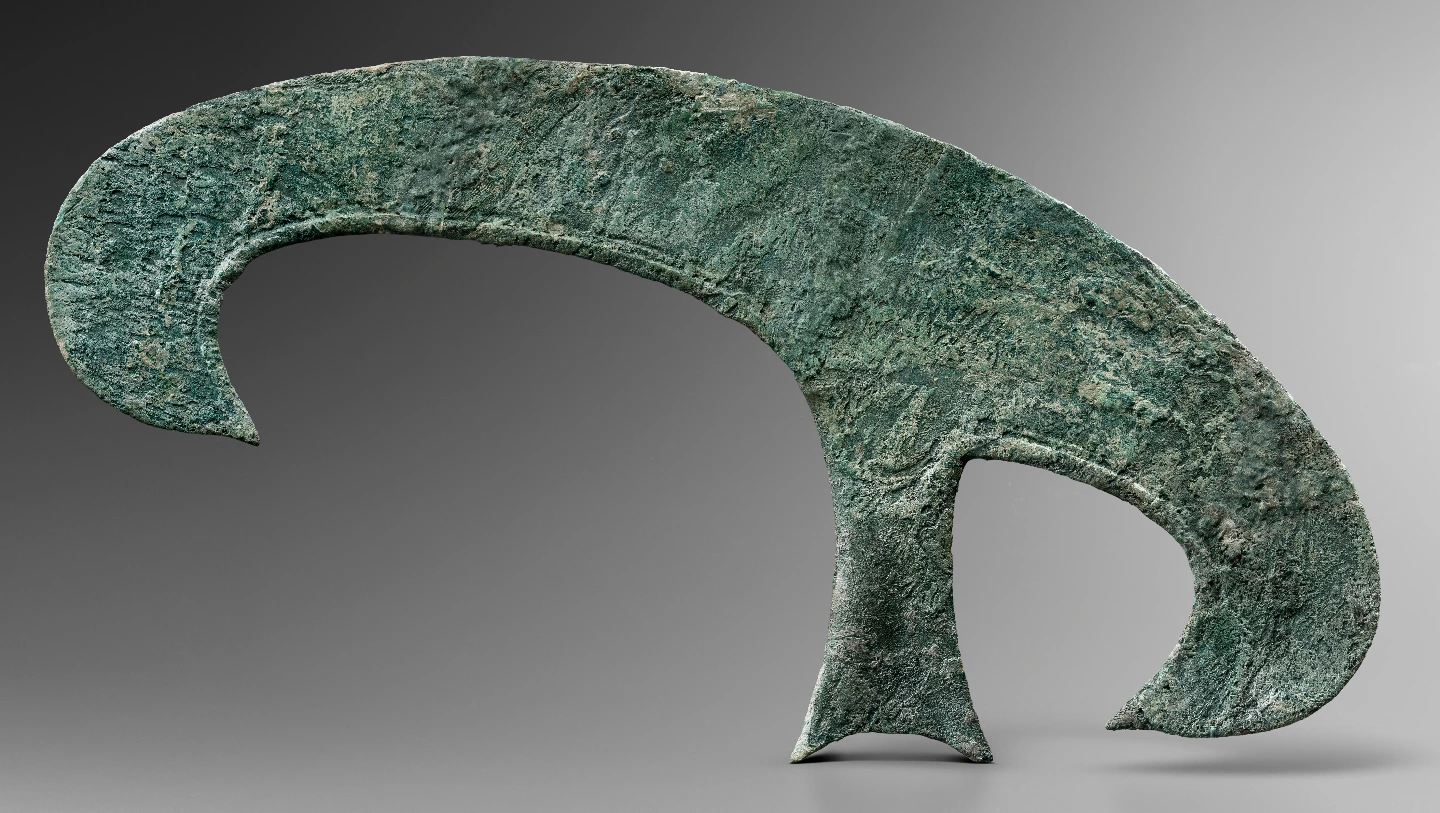
From the Highlands of New Guinea to Monte Albán