The Private Collection of Arno Henseler: Masterpieces from Africa and Oceania
Single-Owner Sale and Works from Other Collections
Auction in Würzburg:
Saturday, 14 November 2026 – 2 pm (CET)
Preview:
From November 11 to 13 – from 10 am to 5 pm
And by appointment
We are delighted to present – here and in upcoming auctions – an exceptionally extensive and diverse art collection: the Private Collection of Arno Henseler (1938 - 2025). Over the course of decades, the Munich-based gallerist and art connoisseur assembled an impressive wealth of non-European art. He took a particular interest in the artistic traditions of Africa, the South Seas, Indonesia, and the Amazon, as well as the cultures of Native Americans and the pre-Columbian era.
What distinguishes this collection in a special way is Henseler’s keen eye for the artistic quality and aesthetic impact of an object. He focused on the individual expressive power, the distinctive formal language, and the presence of each work. At the same time, he placed great importance on the careful presentation of the objects and their effect in relation to the surrounding space.
Masterpieces from Africa and Oceania from the Henseler Private Collection
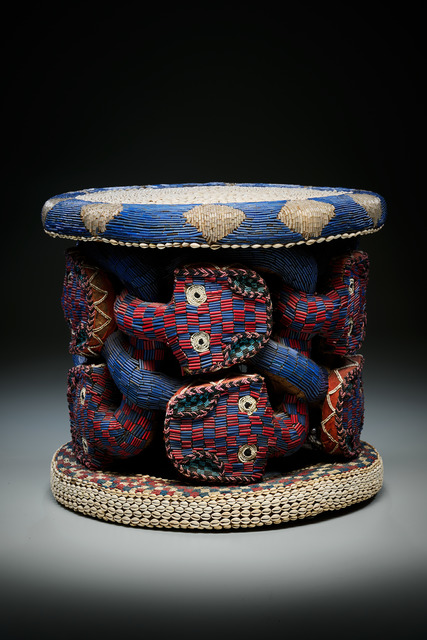
Cameroon Grassfields, Bamum, Nji Nkome or his workshop: Throne seat "rü mfo"
ProvenanceSultan Ibrahim Njoya, Foumban, Cameroon (until 1906) · Personal gift of Sultan Ibrahim Njoya to the missionary Martin Göhring of the Basel Mission (ca. 1906) · Martin Göhring (1871 - 1959) · Göhring Family Collection · According to Göhring’s daughter Theodora the throne belonged to the Queen Mother Njapundunke. · Arno Henseler, Munich, Germany
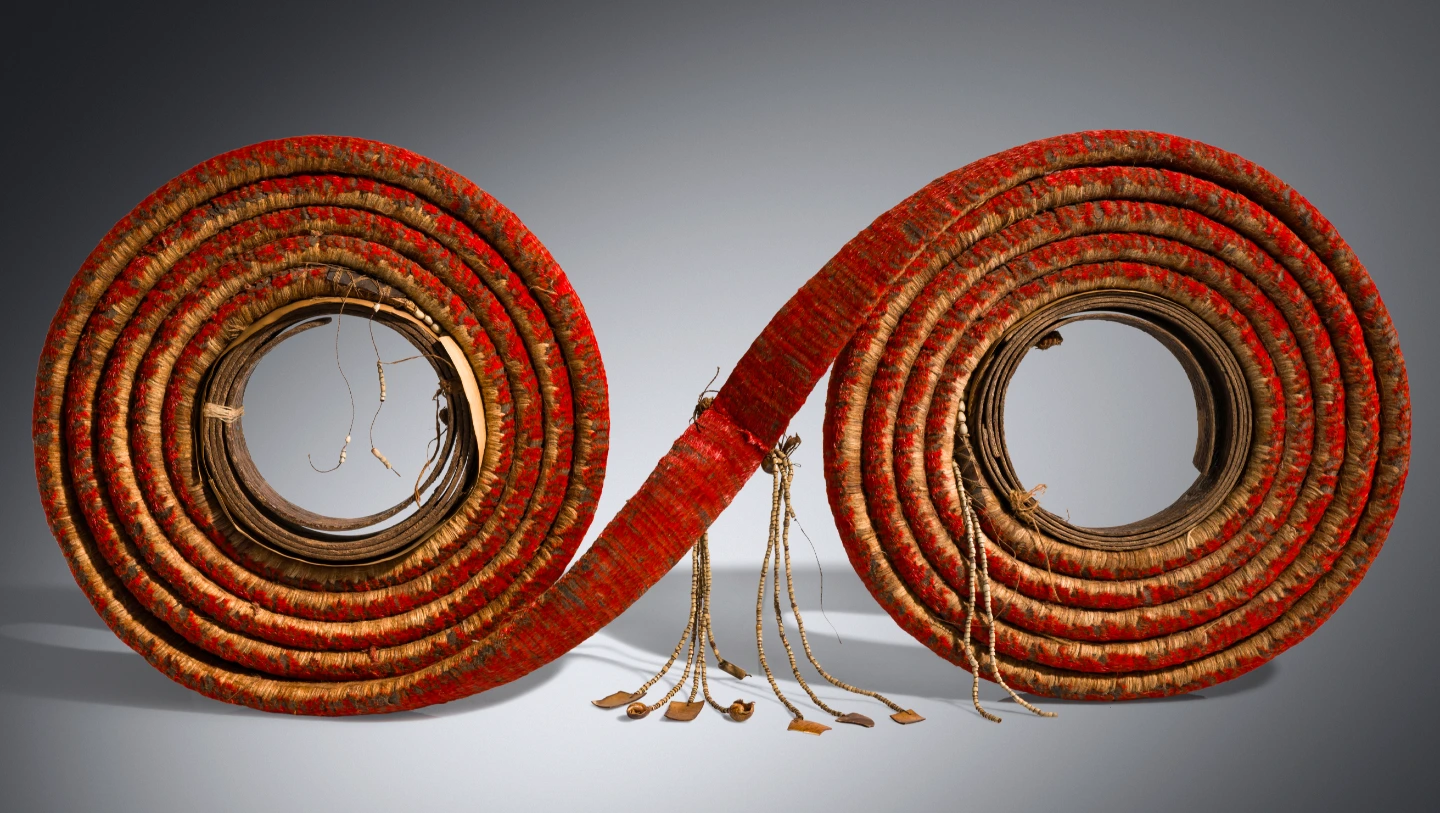
Papua New Guinea - Bismarck Archipelago - New Ireland: Elaborately carved "malagan"
ProvenanceJosef Oberberger, Munich, Germany · Arno Henseler, Munich, GermanyNew Zealand, Maori: Treasure box "papahou", before 1822
ProvenanceWilliam Hall, Bay of Islands, New Zealand (1822) · Arno Henseler, Munich, GermanyPapua New Guinea - Bismarck Archipelago - New Ireland, Tabar Islands: Figure "malagan" with outstretched arms
ProvenanceArno Henseler, Munich, Germany
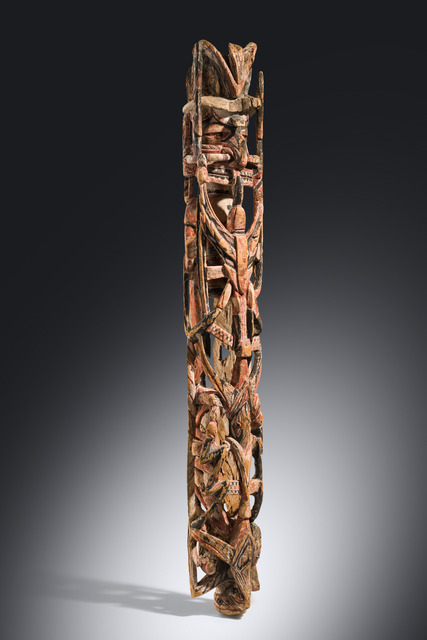
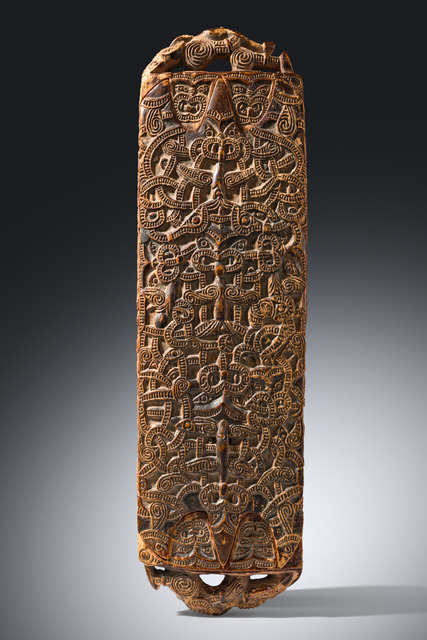
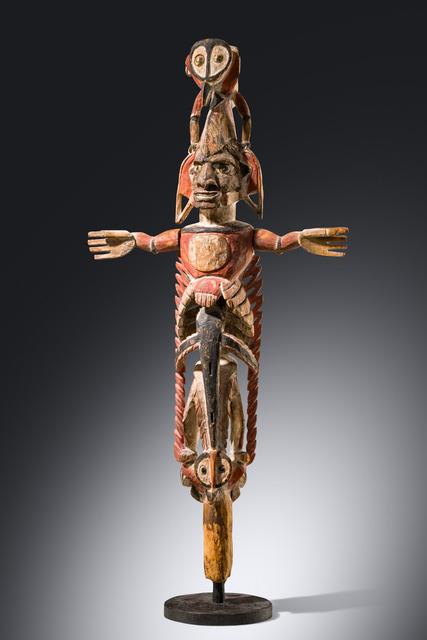
“I only buy things that I personally like,” he stated in a 2011 interview with David Zemanek [1]. “What interests me above all is the question of art – the ‘art factor’.” As the son of a painter [2] – and having trained as a painter himself during a second course of study – he was interested in the connection between aesthetic quality and spiritual significance. “In terms of content, these objects possess incredible power and strength, and formally, they often display a captivating aesthetic. Yet this beauty always served a higher, practical, or spiritual purpose. I like to compare these works – especially the African ones – with Christian art of the Middle Ages, because both realms are rooted in their respective faiths. It is precisely this unity of function, belief, and design that defines their exceptional quality.”
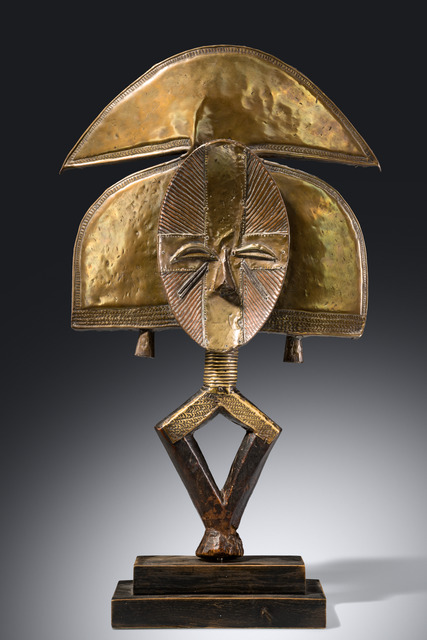
Gabon, Kota: Reliquary guardian figure "mbulu-ngulu" or "boho-na-bwete"
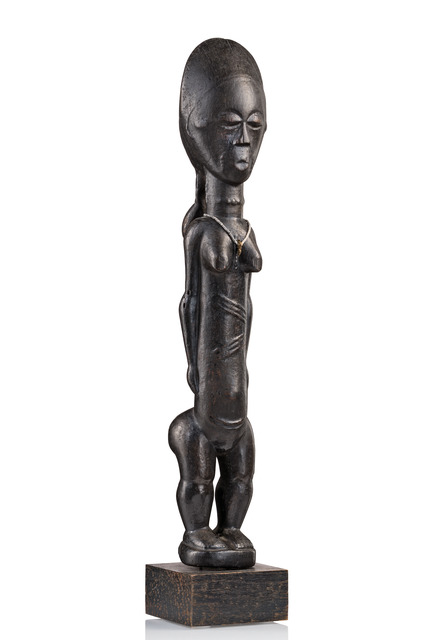
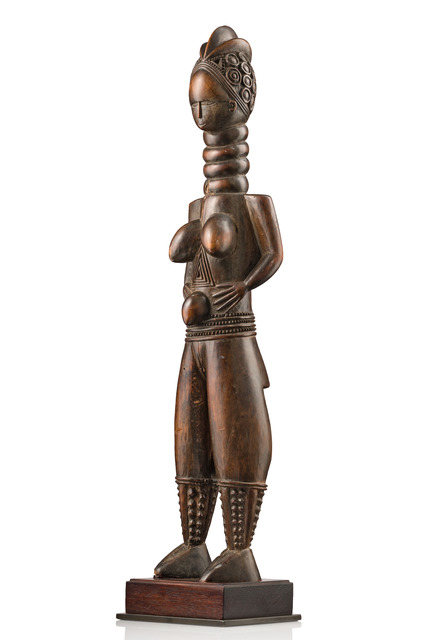
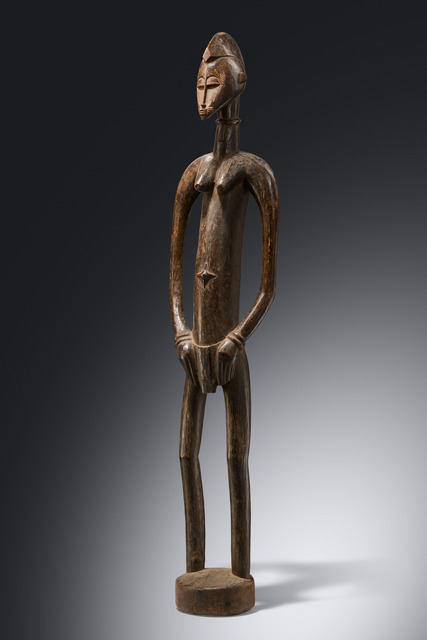
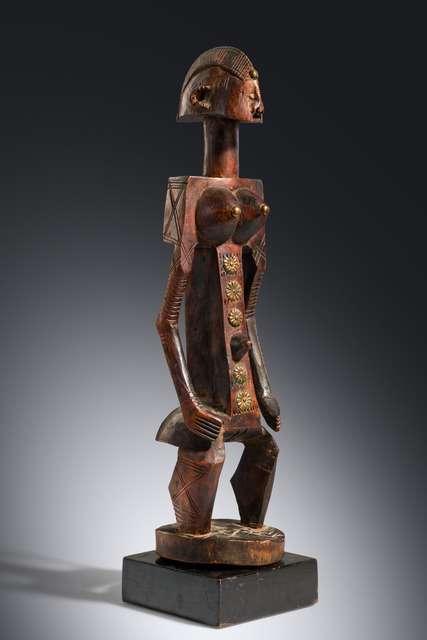
ProvenanceJacques Ulmann, Paris, France · Galerie Simonis, Düsseldorf, Germany · Arno Henseler, Munich, GermanyCôte d'Ivoire, Senufo: Female figure "deble", "doogele" or "poro piibele"
ProvenanceArno Henseler, Munich, Germany
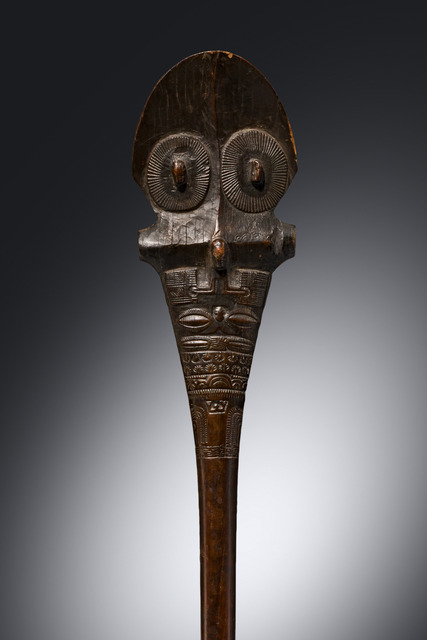
Arno Henseler’s interest in non-European art developed during his time in New York. Born in Munich in 1938, he initially studied business administration in his hometown before moving to New York in 1970 to study painting at Hunter College, where he earned a Master of Arts degree with a thesis on the subject of “patina”. “During that time, I constantly encountered non-European art: works from the Indigenous cultures of the Americas, including pre-Columbian art, but above all, sculptures from Africa. This exotic art fascinated me.”
While still in New York, he founded a gallery for non-European art with a friend: “It was 1973 – a spontaneous decision born of my enthusiasm for this art.” He returned to Munich in 1975 and initially continued the business from premises on Schellingstraße – before opening “Galerie Henseler – Ethnographica” on Galeriestraße – right next to the Hofgarten of the Munich Residenz – in 1989.
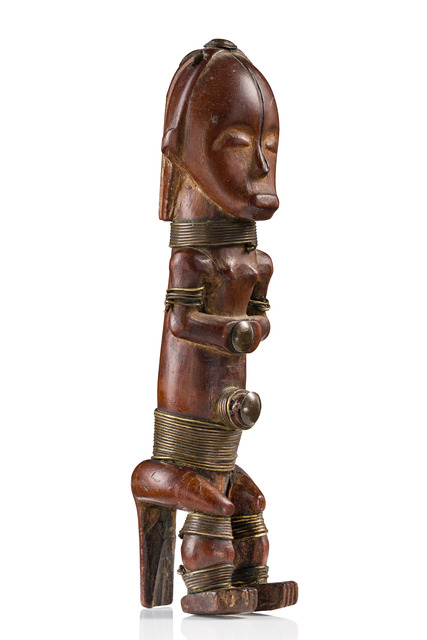
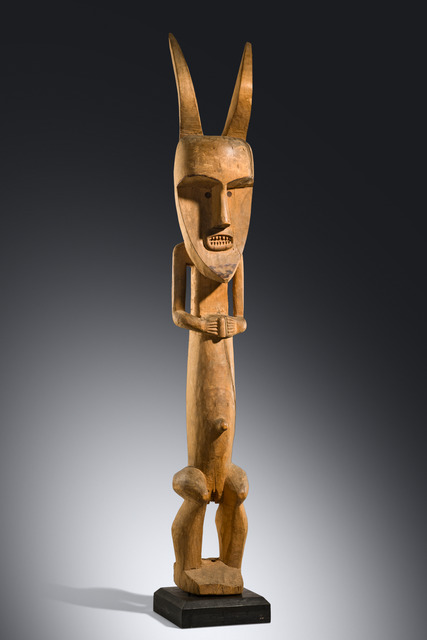
Cameroon, Fang: Large female figure with horned mask
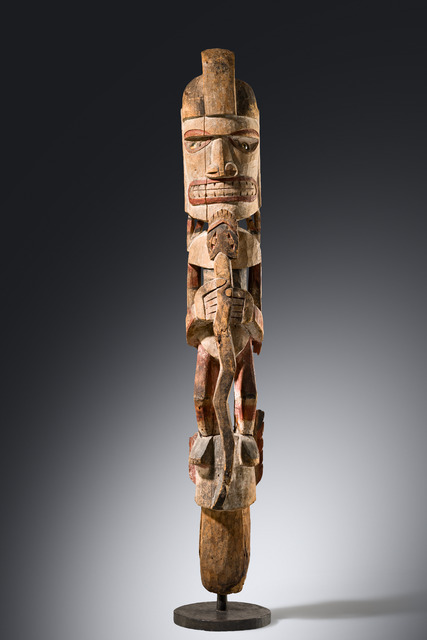
Provenancecollected in situ by a German colonial officer (around 1880/90) · The object stayed in the family until 2002 · E. Döppenschmidt, Pforzheim, Germany · Arno Henseler, Munich, GermanyPapua New Guinea - Bismarck Archipelago - New Ireland - Tabar Islands: Figure "malagan" with snake
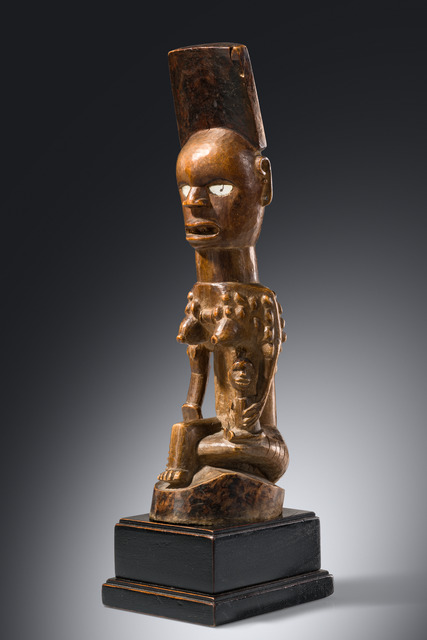
ProvenanceArno Henseler, Munich, GermanyD. R. Congo, Yombe: Female dignitary
ProvenancePhilippe & Lisa Laeremans, Liège, Belgium · Michel Gaud, Saint Tropez, France · Zemanek-Münster, Würzburg, Germany, 25 May 2013, lot 435 · Arno Henseler, Munich, Germany
His profound knowledge of diverse cultures does not stem from the lecture hall, but from expertise cultivated over decades: it is a foundation built on long-standing passion, extensive travel, and invaluable personal experience. “I did not complete a formal academic programme in ethnology; instead, I acquired every detail through tireless independent study and exchanges with collectors and colleagues – and I continue to pursue this with joy and curiosity.”
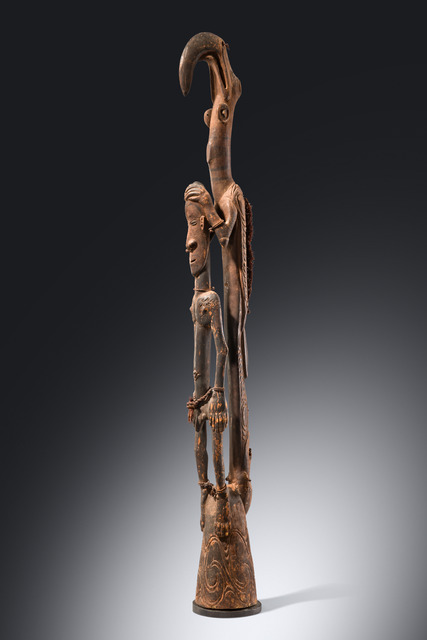
Papua New Guinea, Sawos: Figural post: Human and human-bird hybrid
ProvenanceArno Henseler, Munich, Germany
His more than twenty trips to Africa – particularly to Côte d’Ivoire and neighbouring West African countries – were especially formative for him. There, he experienced the art trade – especially in the early days – as a demanding and “tough school,” since every purchasing decision required careful deliberation.
He was in contact with Ludwig Bretschneider, Peter Werner, and Fred Jahn – all Munich art dealers; he acquired a selection of sculptures from Werner when the latter closed his business. He also shared exhibition stands with Bretschneider – particularly during the latter’s later years.
Côte d'Ivoire, Dan: Standing female figure "lü mä"
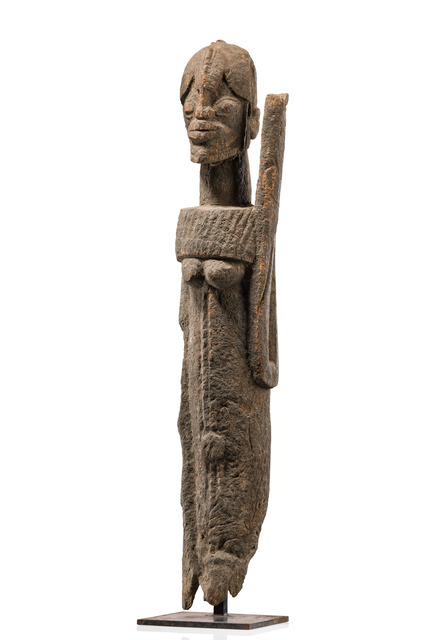
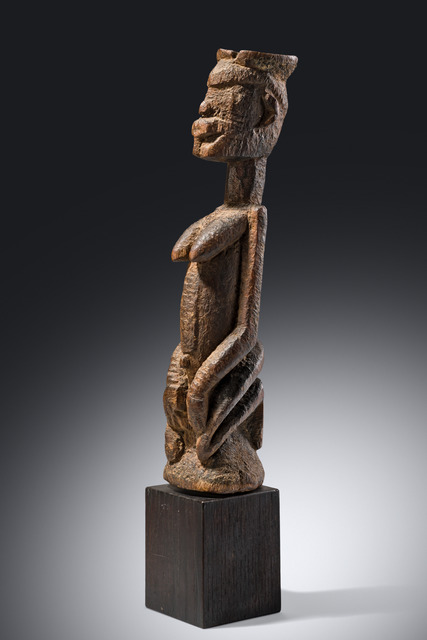
ProvenanceLoed van Bussel (1935-2018), Amsterdam, The Netherlands (1960s) · Maria Wyss, Basel, Switzerland · Hans Wolf, Zurich, Switzerland · René David, Zurich, Switzerland · Harald & Ursula Suhr, Victoria, British Columbia, Canada / Germany (1980) · Zemanek-Münster, Würzburg, Germany, 8 September 2012, lot 110 · Arno Henseler, Munich, GermanyMali, Dogon: Vessel's lid with sitting male figure on top "ogo banya" or "ogo koro"
ProvenanceEmil Storrer, Zurich, Switzerland · Michael Storrer, Zurich, Switzerland · Swiss Private Collection · Zemanek-Münster, Würzburg, Germany, 31 October 2015, lot 186 · Arno Henseler, Munich, Germany
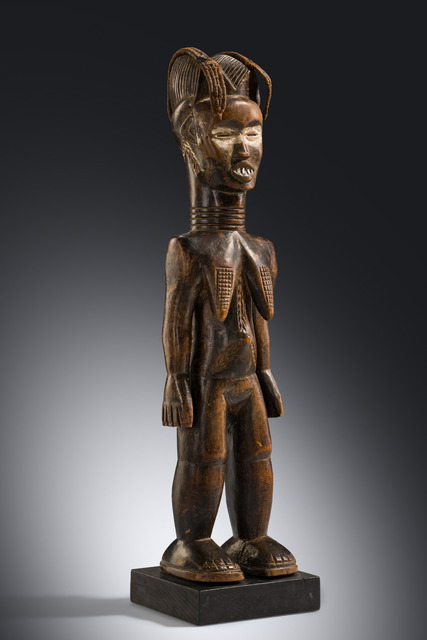
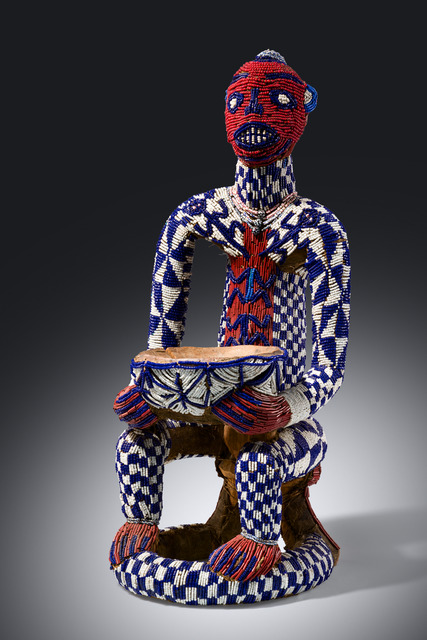
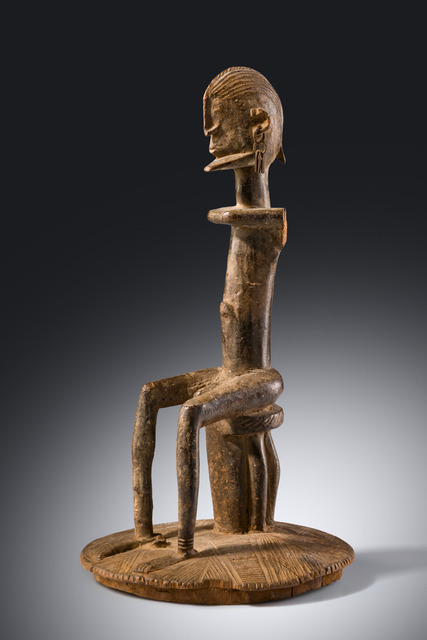
Arno Henseler belonged to the generation that helped shape the trade in African art in Germany – a generation that had to confront the differing perceptions of non-European and European art. For instance, a joint booth shared with colleagues from Metz de Benito at the German Art and Antiques Fair in 1994 attracted considerable attention by juxtaposing African fetishes from his gallery with Christian religious sculptures from the 17th and 18th centuries.
Arno Henseler attached great importance to personal trust regarding matters of provenance and technical authentication methods. For him as a private collector, the history of a collection was “fundamentally not a deciding factor in the purchase”; nevertheless, he respected and understood the legitimate interest in clear provenance as a safeguard against forgeries, looted art, and the trade in stolen goods – particularly in the high-end art market.
Arno Henseler organized annual thematic exhibitions at his gallery, such as „Mutter-Kind Skulpturen afrikanischer Ethnien“ (Mother-and-Child Sculptures of African Ethnic Groups) (2016), „Himmel und Erde, sakrales Europa - rituelles Afrika“ (Heaven and Earth: Sacred Europe – Ritual Africa) (2017), „Miniaturmasken südlich der Sahara“ (Miniature Masks from South of the Sahara) (2018), “Die Kunst afrikanischer Perlenarbeiten südlich der Sahara” (The Art of African Beadwork South of the Sahara) (2018), „Südsee Skulpturen“ (South Seas Sculptures) (2019/2020), „Indonesien: Kunst und Gebrauchsgegenstände“ (Indonesia: Art and Utilitarian Objects) (2020/2021), and “African Masks” in May 2021.
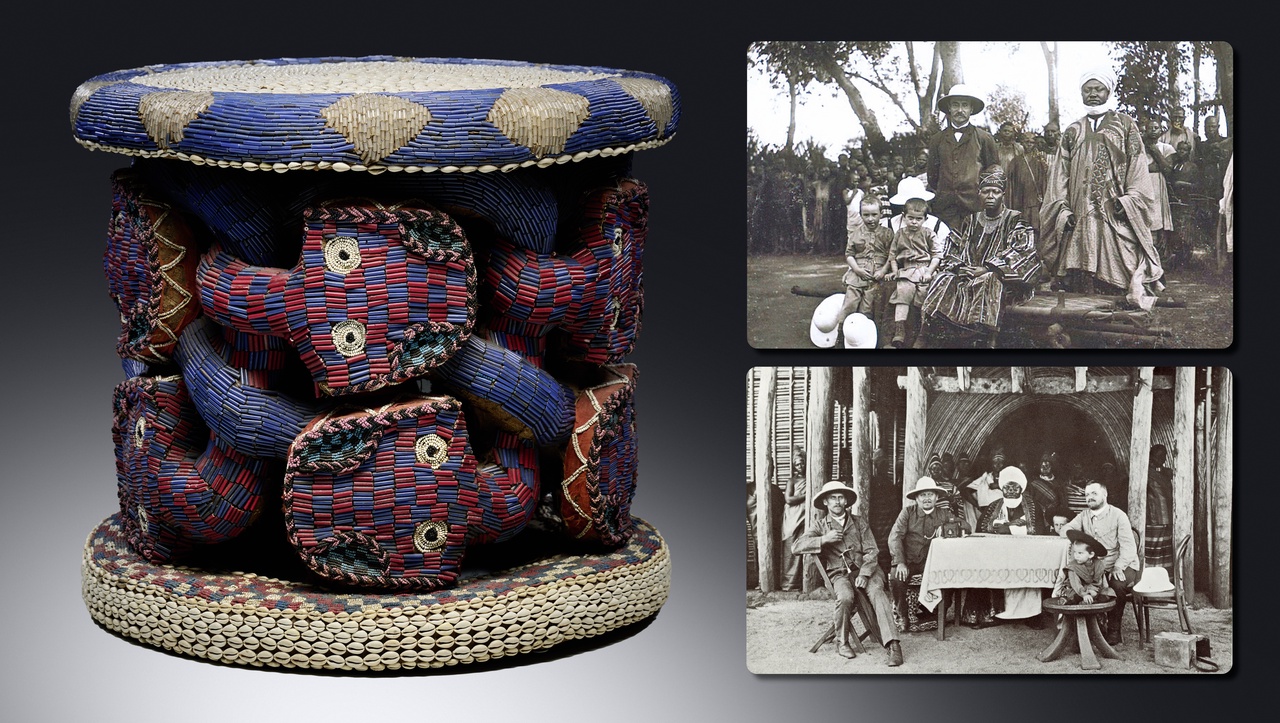
Royal Throne seat: Personal gift of Sultan Ibrahim Njoya to the missionary Martin Göhring from the von der Basler Mission (until 1906)
In the spring of 2005, a monumental throne stool from Bamum took centre stage at a gallery exhibition titled „Afrikanische Hocker Stühle Liegen“ (African Stools, Chairs, and Couches) – albeit with the note “not for sale.”
It is the story of a gift from a ruler, offering us a nuanced perspective on the complex encounters between African rulers and European missionaries. It reveals that material culture did not circulate solely within the context of colonial power relations but was also shaped by networks of friendship, negotiation, and mutual appreciation.
In 1980, Arno Henseler acquired this throne – richly embroidered with beads and cowrie shells and a work by Nji Nkome or his workshop – from the family estate of the missionary Martin Göhring (1871–1959).
Further insights can be found in the article by Dr Bettina von Lintig, San Francisco, July 2026
It is part of the extensive collection we have the privilege of presenting in the upcoming auctions. We begin with masterpieces from Africa and Oceania.
Notes:
[1] The interview with Arno Henseler was conducted by David Zemanek in 2011 as part of his dissertation titled “Der Handel mit Afrikanischer Kunst in Deutschland nach 1945” [The Trade in African Art in Germany after 1945], Faculty of History, Art and Oriental Studies, University of Leipzig, 2016, pp. 105ff.
[2] Marion Henseler. In: Hans Vollmer (Ed.): *Allgemeines Lexikon der bildenden Künstler des XX. Jahrhunderts*. Volume 2: E – J. E. A. Seemann, Leipzig 1955, pp. 422 – 423.
Various Owner - Outstanding and fascinating works from other collections
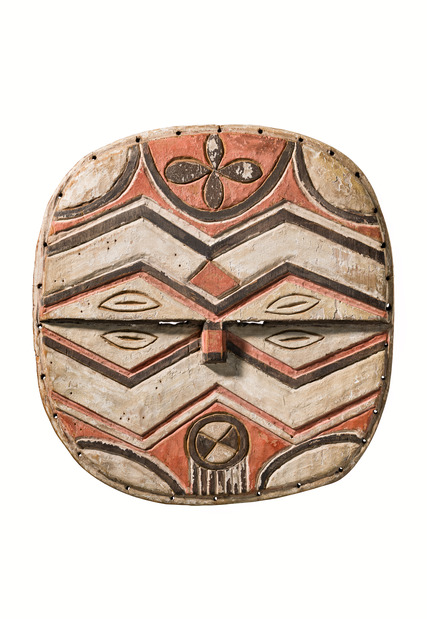
D. R. Congo, Teke-Tsaye, Mossendjo-Sibiti, right bank of the Congo River: Face mask "kidumu"
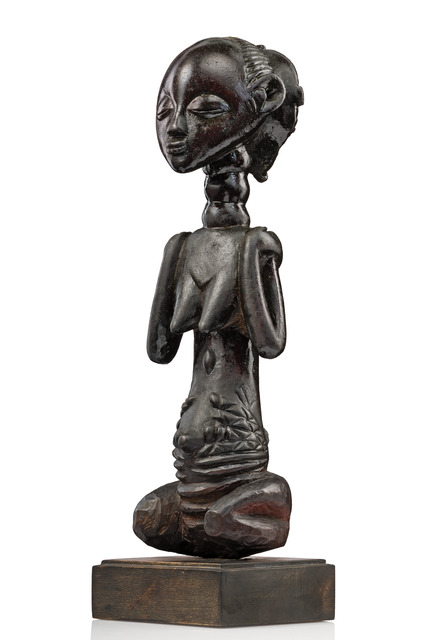
ProvenancePrivate Collection (acquired before 1922) · René Rasmussen, Paris, France · Furman Gallery, New York, USA (1961) · Christie’s, London, United Kingdom, 17 June 1980, lot 272D. R. Congo, Luba: Kneeling female ancestor figure
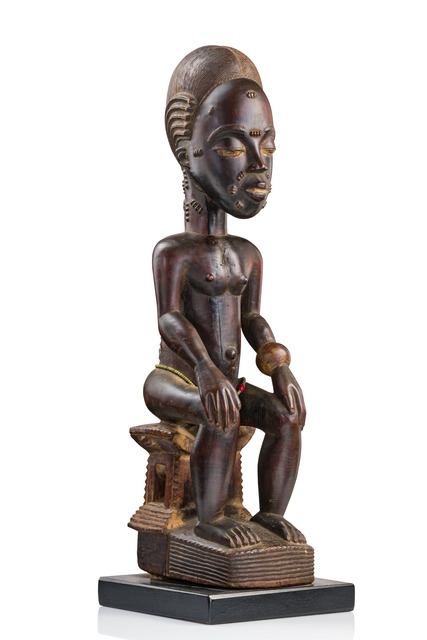
ProvenanceRolf Kunitsch, Münster, Germany · German Private CollectionCôte d'Ivoire, Baule: Female figure "blolo bla", 19th century
ProvenanceDutch Private Collection · Gallery Ratton-Hourdé, Paris, France · Raquel Montagut, Barcelona, Spain · Spanish Private Collection, Madrid · Gallery Montagut, Barcelona, Spain · German Private CollectionSierra Leone, Mende: Standing female figure
Provenancecollected in situ (early 20th century) · United Kingdom Private CollectionGabon, Fang: Small seated guardian figure "eyema byeri"
ProvenanceJohannes Zschucke, Saas-Fee, Switzerland (ca. 1913)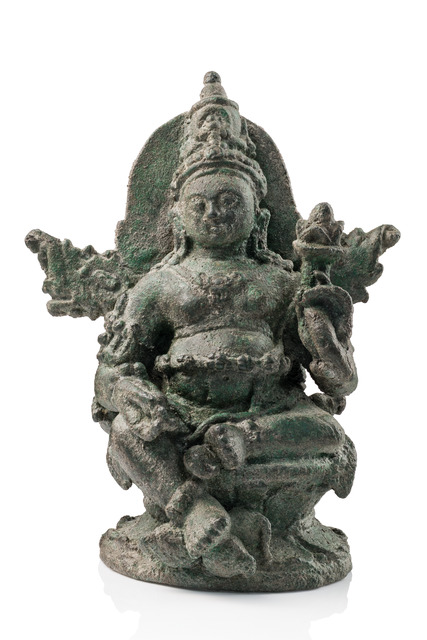
Indonesia - Java: Figure of the god of wealth, Jambhala (Kubera), mid/late 10th to early 11th century
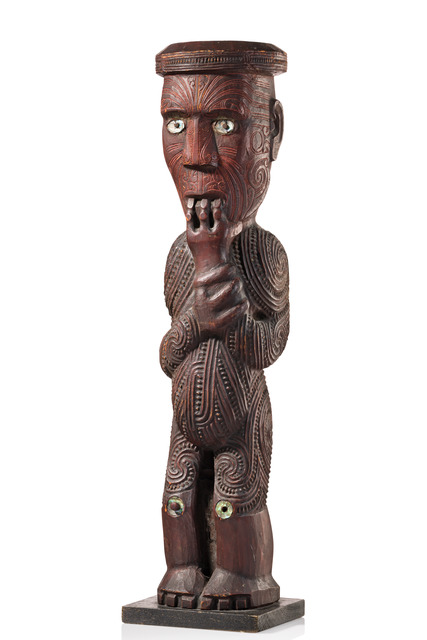
ProvenanceAmerican Private CollectionNew Zealand, Maori: Standing figure "poutokomanawa"
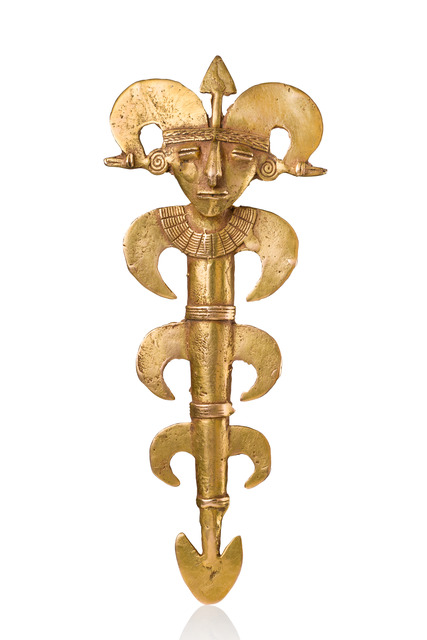
ProvenanceCornelis Pieter Meulendijk, Rotterdam, The Netherlands · Christie’s, London, United Kingdom, 21 October 1980, lot 349Colombia, Quimbaya: Figural pendant, ca. 800 - 1200 AD
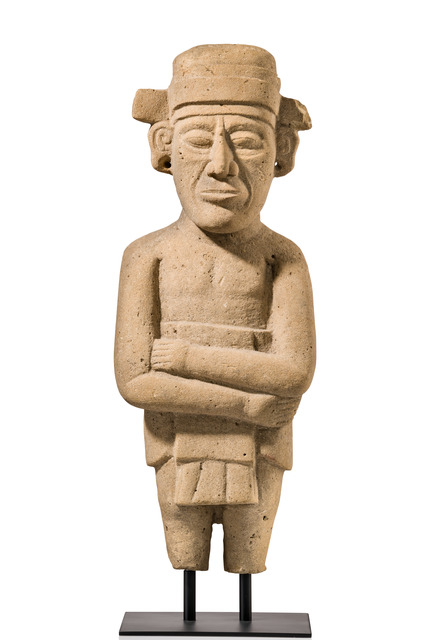
ProvenanceRobert Scheibe, Bogotá, Colombia (1859 - 1923), coll. in situMexico, Maya: Anthropomorphic sculpture, Late Classic to Early Postclassic, ca. 900 - 1519 AD
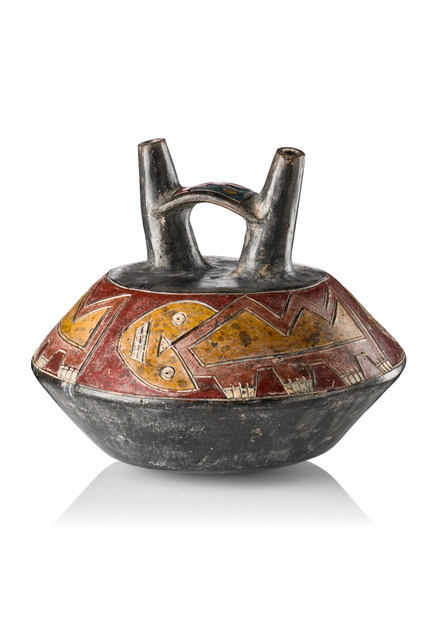
ProvenanceGerman Private Collection, Westphalia (1970-2024)Peru, Paracas: Double-spout vessel, ca. 600 - 200 BC
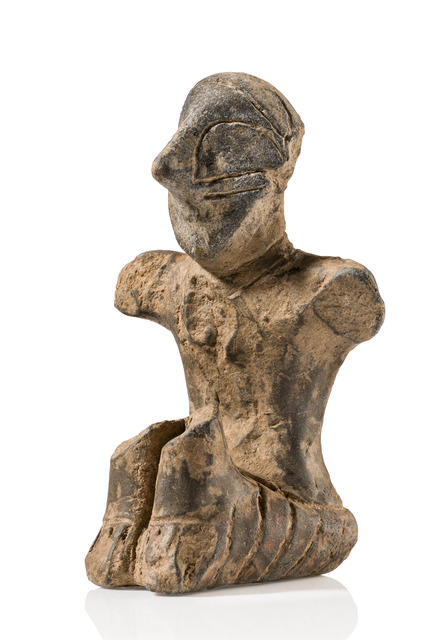
ProvenanceGerman Private Collection · Bert Olbertz, Wuppertal, Germany (2007)Danube region, Balkans: Seated Vinca idol, 5th millennium BC
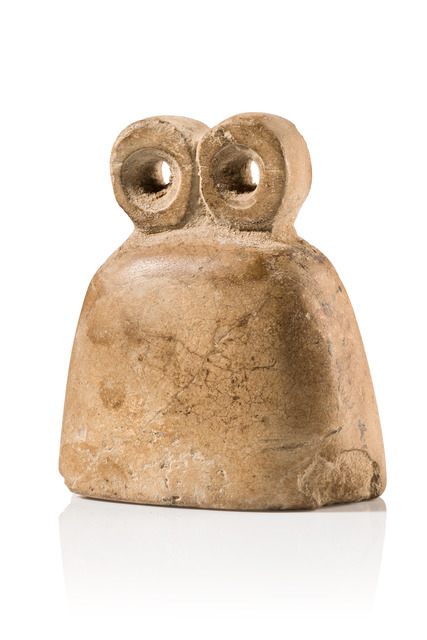
ProvenanceGalerie Nefer, Zurich, Switzerland · Peter Brandes, Colombes, FranceNorth Mesopotamia – Northeastern Syria, Tell Brak: Old Syrian Eye (Goggle) Idol, ca. 3500 - 3300 BC
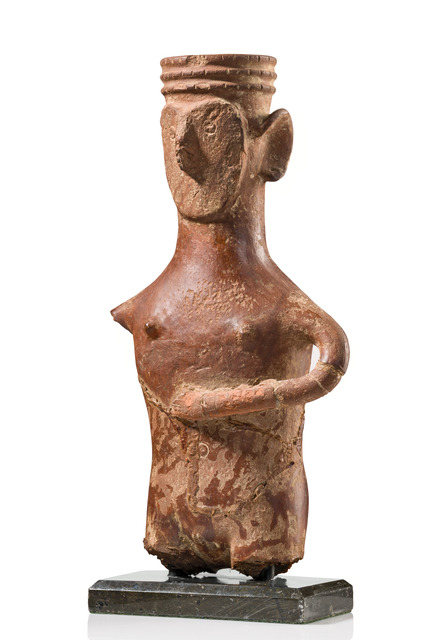
ProvenanceGalerie Nefer, Zurich, Switzerland · Peter Brandes, Colombes, FranceIran - Gilan, Amlash: Fragment of an anthropomorphic vessel, ca. 1000 BC
ProvenanceBelgian Private Collection